December 16, 2025
Are you considering braces to achieve that perfect smile, but feeling overwhelmed by the options? You're not alone. Many patients at Quest Orthodontics come to us weighing the pros and cons of modern innovations against tried-and-true methods. In this blog, we'll dive into a head-to-head orthodontic comparison: LightForce braces vs traditional braces. We'll explore how LightForce's cutting-edge technology delivers faster results, enhanced comfort, and a truly personalized experience. Whether you're a teen, adult, or parent researching for your child, understanding these differences can help you make an informed decision for your orthodontic journey.
At Quest Orthodontics, we prioritize patient-centered care, using advanced tools to create smiles that are not only straight but also healthy and confident. Let's break down what sets
LightForce apart and why it might be the ideal choice for your needs.
Understanding Traditional Braces: The Time-Tested Standard
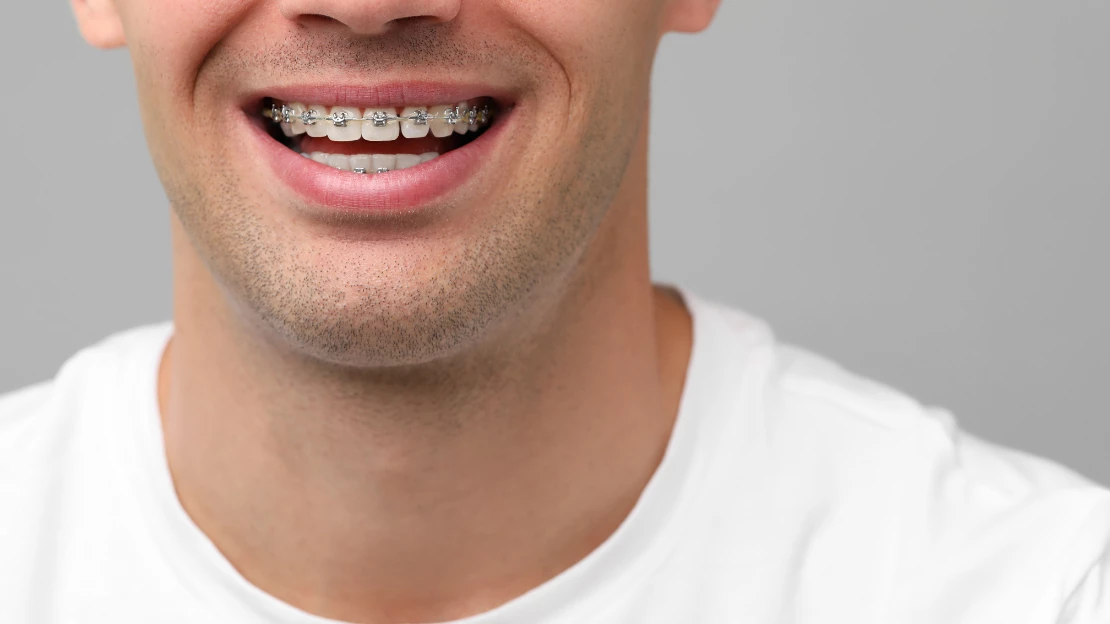
Traditional braces have been the cornerstone of orthodontic treatment for decades, and for good reason. These systems typically consist of metal brackets bonded to the teeth, connected by wires and elastic bands that apply gentle pressure to shift teeth into alignment over time. They're effective for a wide range of issues, from overcrowding and gaps to bite misalignments like overbites or underbites.
One of the main appeals of traditional braces is their reliability and affordability. On average, treatment lasts 18-24 months, depending on the complexity of the case. Adjustments are made every 4-6 weeks, where the orthodontist tightens wires or replaces bands to continue guiding tooth movement. While durable and strong, often made from stainless steel, they can sometimes cause initial discomfort, such as irritation to the cheeks and lips, as patients adjust.
Aesthetically, traditional braces are noticeable, which can be a concern for adults or self-conscious teens. However, advancements like smaller brackets and colored bands have made them more customizable and fun for younger patients. Despite their effectiveness, traditional braces rely on a "one-size-fits-all" approach, meaning brackets are standardized and may require more manual adjustments during treatment to achieve optimal results.
What Are LightForce Braces? A Revolution in Custom Orthodontic Treatment
Enter LightForce braces, a game-changer in modern braces options. Unlike traditional systems, LightForce leverages 3D-printed braces technology to create fully customized brackets tailored to each patient's unique dental anatomy. This innovative system starts with a digital scan of your teeth, using tools like the iTero scanner at Quest Orthodontics, to build a precise 3D model.
From there, advanced software allows your orthodontist to design a treatment plan digitally, simulating the result before any brackets are even placed. The brackets themselves are 3D-printed from a strong, ceramic material that's either white or clear, making them far less visible than metal alternatives. This customization extends to the bonding process, where specialized trays ensure precise placement in a single appointment, reducing errors and discomfort.
LightForce isn't just about aesthetics; it's engineered for efficiency. By pre-programming tooth movements into the custom braces, it minimizes the need for frequent adjustments, often leading to fewer office visits. At Quest Orthodontics, we integrate LightForce with our suite of technologies, including 3D CBCT imaging and AI-driven planning, to optimize outcomes. This approach aligns perfectly with our commitment to personalized care, as highlighted on our technology page.
LightForce Braces vs Traditional Braces
When pitting LightForce braces vs traditional braces, several factors stand out. Let's compare them across critical areas to help you see the differences clearly.
Technology and Customization
-
Traditional Braces: Use pre-fabricated metal brackets and wires that are manually adjusted over time. While effective, they don't account for individual tooth shapes, leading to potential inefficiencies.
-
LightForce Braces: Fully personalized with 3D-printed brackets designed for each tooth's morphology. This custom fit allows for precise control, reducing the trial-and-error often seen in standard treatments. The result? A more proactive plan that visualizes your final smile from day one.
This level of customization in LightForce makes it ideal for complex cases, where traditional methods might require extra steps.
Treatment Time and Efficiency
-
One of the most compelling advantages in the LightForce vs traditional braces debate is speed. Traditional braces often take 18-24 months, with regular adjustments to bend wires and refine movements.
-
In contrast, LightForce braces can shorten treatment by 4-6 months on average, sometimes finishing in as little as 9-12 months for milder cases. Why? The custom design pre-programs efficient tooth movements, leading to faster orthodontic treatment and fewer visits, often every 6-8 weeks instead of monthly. Patients at Quest Orthodontics appreciate this, as it means less disruption to their busy lives.
Comfort and Patient Experience
-
Comfort is a top priority for anyone considering braces. Traditional braces can cause initial soreness from generic brackets rubbing against soft tissues, and adjustments might lead to temporary discomfort.
-
LightForce braces excel here with their smooth, low-profile design and perfect fit to your teeth's contours. Made from comfortable braces material like polycrystalline alumina, they minimize irritation and friction. Many patients report feeling less pressure during movements, making the overall experience more pleasant. Plus, the indirect bonding trays used in placement make the application process quicker and less invasive.
Aesthetics and Visibility
-
For those seeking discreet options, traditional braces' metallic shine can be a drawback, though ceramic versions exist as an upgrade.
-
LightForce takes aesthetics to the next level with clear ceramic braces that blend seamlessly with your teeth. They're an excellent choice for adults in professional settings or teens wanting a subtler look, without sacrificing strength.
Cost Considerations
-
While costs vary by location and case complexity, traditional braces generally range from $3,000-$6,000. LightForce, as a premium custom option, might fall between $5,000-$8,000, reflecting the advanced technology. However, the shorter treatment time and fewer visits can offset this by reducing overall expenses like time off work or school. At Quest Orthodontics, we work with patients to explore financing and insurance options for accessible care.
Benefits of Choosing LightForce at Quest Orthodontics
Why opt for LightForce braces at our practice? Our integration of this technology with other tools sets us apart. For instance, combining LightForce with our 3D CBCT unit provides detailed imaging for accurate planning, while virtual monitoring allows us to track progress remotely, further speeding up treatment.
Patients often share how LightForce transformed their experience. Take a hypothetical case: A busy professional with moderate crowding completed treatment in just 14 months, praising the comfortable braces and minimal adjustments. Or a teen who loved the discreet look, boosting their confidence during school years. These stories highlight how LightForce aligns with our patient-first philosophy.
Our team brings years of expertise to every guide you through the process to ensure smooth appointments, which enhance your journey.
Potential Drawbacks and Who It's Best For
No treatment is one-size-fits-all. LightForce braces might not be available everywhere due to the need for specialized training, but at Quest Orthodontics, we're proud to offer them. They excel for patients seeking faster orthodontic treatment and comfortable braces, especially those with aesthetic concerns. Traditional braces remain a solid choice for budget-conscious individuals or very complex cases where metal's durability is key.
If you're unsure, a consultation can clarify. We assess your needs using digital scans and discuss options tailored to you.
Maintaining Your Braces: Tips for Success
Regardless of your choice in the LightForce vs traditional braces comparison, proper care is essential. Brush after meals, floss daily with threaders, and avoid sticky or hard foods to prevent damage. For LightForce users, the custom fit makes maintenance easier, but regular check-ins ensure everything stays on track.
Elevate Your Smile with Expert Care
In the end, the choice between LightForce braces vs traditional braces boils down to your priorities: speed, comfort, or cost. LightForce stands out for its custom braces approach, delivering faster results, superior comfort, and a modern orthodontic experience that's hard to beat.
At Quest Orthodontics, our board-certified orthodontist, Dr. Arjun Patel, brings unparalleled expertise to every treatment. With his background from the Medical College of Georgia, highest honors in dental medicine, and certification from the American Board of Orthodontists, Dr. Patel specializes in leveraging AI, 3D printing, and personalized planning for optimal outcomes. His commitment to advanced techniques ensures you receive trustworthy, authoritative care.
Ready to start? Contact Quest Orthodontics to schedule a consultation and discover how LightForce can transform your smile.
FAQs about LightForce Braces vs Traditional Braces
What are the main differences between LightForce braces vs traditional braces?
LightForce braces are 3D-printed custom braces tailored to your teeth for faster orthodontic treatment and better fit, while traditional braces use standard metal brackets that may require more adjustments.
How much faster is treatment with LightForce compared to traditional braces?
LightForce can reduce treatment time by 4-6 months on average, often completing in 9-18 months versus 18-24 months for traditional braces, thanks to its efficient design.
Are LightForce braces more comfortable than traditional braces?
Yes, LightForce's custom fit and smooth ceramic material minimize irritation, making them one of the most comfortable braces options available.
What makes LightForce a good choice for adults?
Its clear ceramic braces are discreet, ideal for professional settings, and the shorter treatment with fewer visits suits busy lifestyles.
Can LightForce braces handle complex orthodontic issues?
Absolutely, its advanced customization makes it effective for a wide range of cases, from mild alignments to more severe bite problems.
How do I know if LightForce is right for me?
A consultation at Quest Orthodontics includes digital scans to evaluate your needs and compare modern braces options like LightForce vs traditional braces.
How often are adjustments needed for LightForce braces?
Typically, every 6-8 weeks, fewer than traditional braces, thanks to pre-programmed movements in the custom design.
Hours
Mon-Thu:
7:00am - 4:30pm
You can reach us by phone outside of our regular business hours!
Monday-Friday 8:00 AM - 11:00 PM
Saturday-Sunday 10:00 AM - 6:00 PM